Minnesota is consistently ranked as one of the top states for bicyclists. The state has dozens of bike-friendly communities, and many cities have bike lanes and bike paths to offer safe areas for cyclists to travel in urban areas.
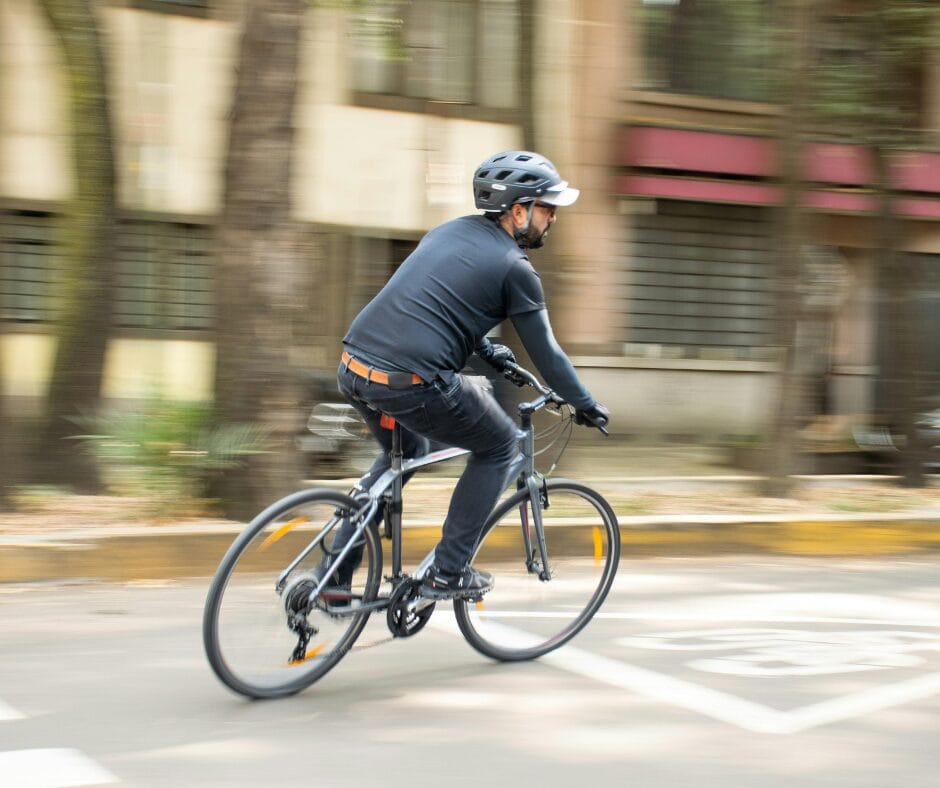
However, with higher bicycle traffic, Minnesota also has a higher rate of bicycle accidents. According to the Minnesota Department of Public Safety, Minnesota averages more than 600 bicycle accidents per year. These bike crashes injure hundreds of cyclists and result in around seven deaths annually.
Bicycle accidents can occur due to many factors. Some may directly relate to the environment and traffic conditions, while others involve the behavior of motor vehicle operators.
As spring approaches and more individuals are opting for their bikes, here are some of the most common bicycle accident scenarios to watch out for:
- Motor Vehicle Collisions: One of the most common causes of bicycle accidents, these accidents usually occur when drivers fail to yield the right of way, fail to notice cyclists, or engage in dangerous behaviors such as speeding or driving under the influence. Intersections are particularly vulnerable areas for such accidents.
- Dooring Accidents: Dooring accidents happen when a vehicle occupant opens a car door without checking for approaching cyclists. Cyclists can collide with the open door, leading to serious injuries.
- Unsafe Road Conditions: Poorly maintained roads, potholes, debris, and inadequate signage can create hazardous conditions for cyclists. Slippery roads due to weather conditions, such as ice or rain, can also increase the risk of accidents.
- Distracted Driving: Distracted drivers are less likely to notice cyclists, which can lead to collisions.
- Failure to Obey Traffic Laws: Motor vehicle operators must follow traffic laws. Drivers who disregard traffic signals or fail to yield the right of way to cyclists can cause accidents.
- Lack of Awareness and Visibility: Sometimes, motorists may not see cyclists in time to avoid a collision. Cyclists should wear proper reflective gear and bike lights so that they are easier to see, and motorists should remain vigilant for cyclists, especially in low-light or low-visibility conditions.
- Vehicle Blind Spots: All vehicles have blind spots, and motorists should shoulder-check before merging into traffic or changing lanes and not rely solely on their rearview mirrors.
Although most experienced cyclists take the necessary precautions and ride defensively, accidents can still occur due to factors beyond the cyclist’s control. If a bike crash is caused by someone else’s negligence or a preventable hazard, consult an attorney from Fields Injury Law to explore your legal options.